
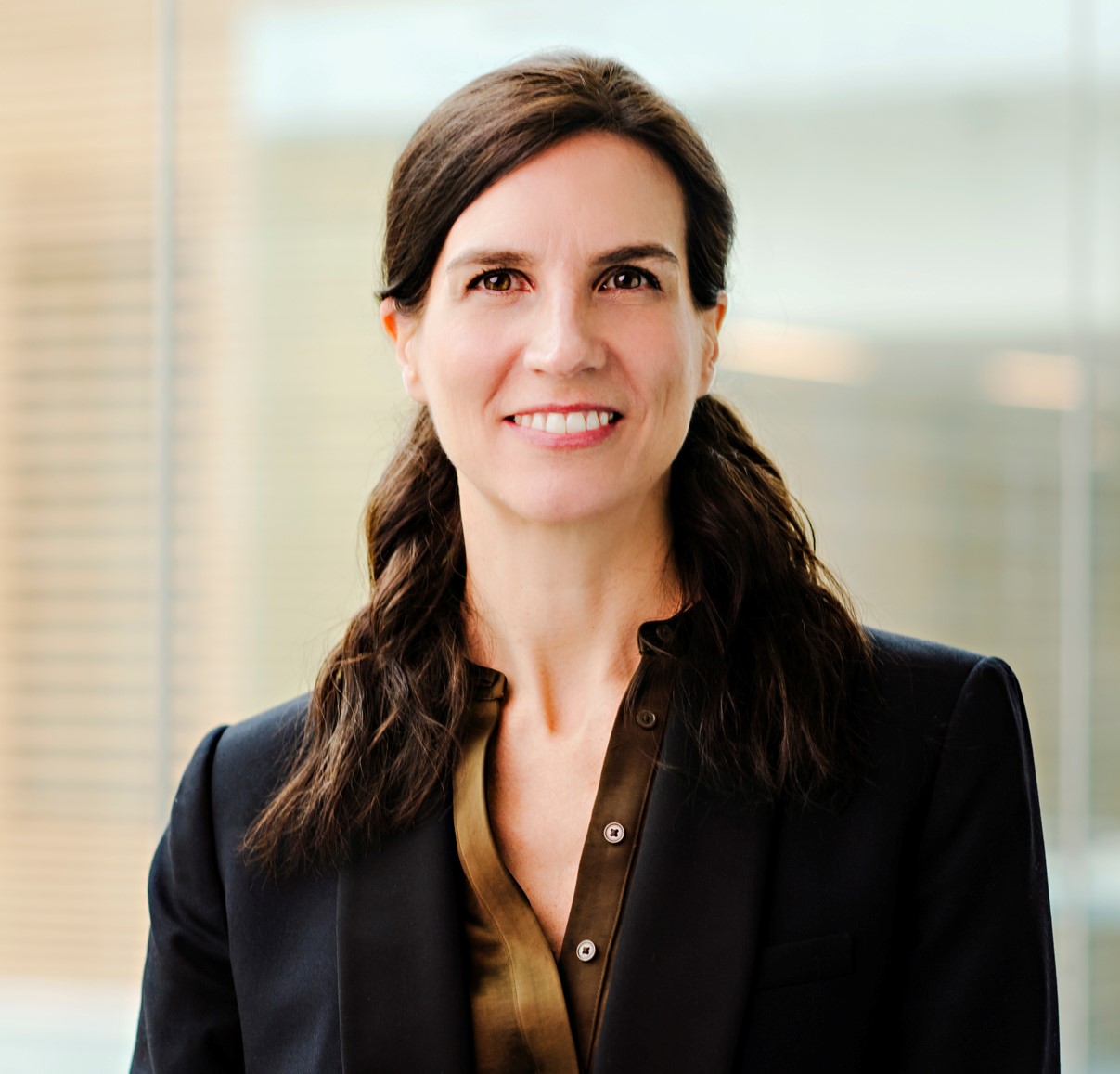
Maritt Kirst
Areas of Expertise
- Addiction and Substance Use
- Health Equity and Social Determinants of Health
- Housing, Homelessness and Poverty
- Mental Health
Biography
I received my PhD in Sociology from the University of Toronto in 2007, and an MA in Criminology from the University of Ottawa in 1998. Before joining the Community Psychology program at Wilfrid Laurier University, I held Scientist positions at the Toronto Central Community Care Access Centre and the Centre for Research on Inner City Health at St. Michael’s Hospital in Toronto. I am currently an Assistant Professor (status-only) in the Institute of Health Policy, Management and Evaluation, Dalla Lana School of Public Health at the University of Toronto.
I conduct solutions-focused research with the goal of generating evidence with which to improve health and increase accessibility of community-based healthcare and social services for vulnerable populations. I have conducted evaluations of complex health interventions such as Housing First programs for individuals experiencing homelessness and mental illness (At Home/Chez Soi randomized controlled trial – Toronto site), mental health services including mobile crisis intervention teams, and tobacco control programming.
Current Projects
- Research on social contextual effects (social capital and neighbourhood effects) on substance use and mental health problems among adults and youth.
- Evaluations and knowledge syntheses of integrated health and social care programs for individuals with complex health problems.
- Studies on how Canadians understand and explain health inequalities and their opinions on health equity solutions.